Santa Margherita d'Antiochia Church: A Hidden Baroque Treasure
May 21, 2025

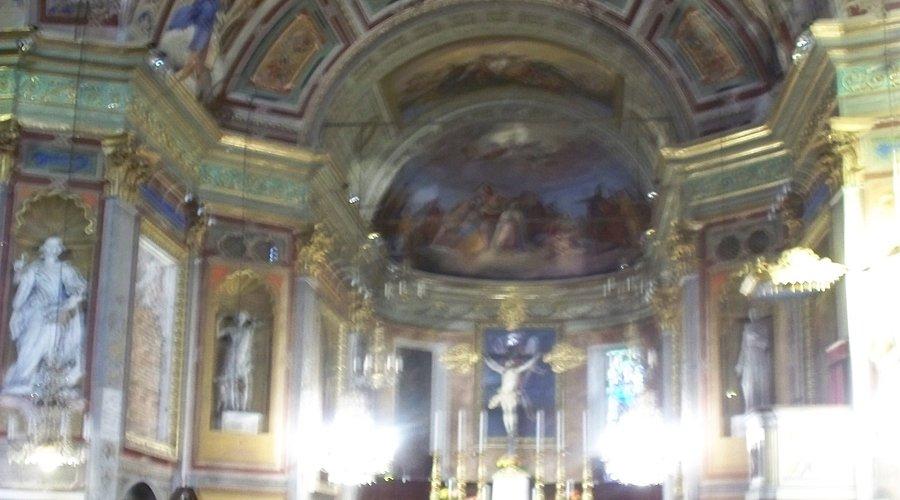
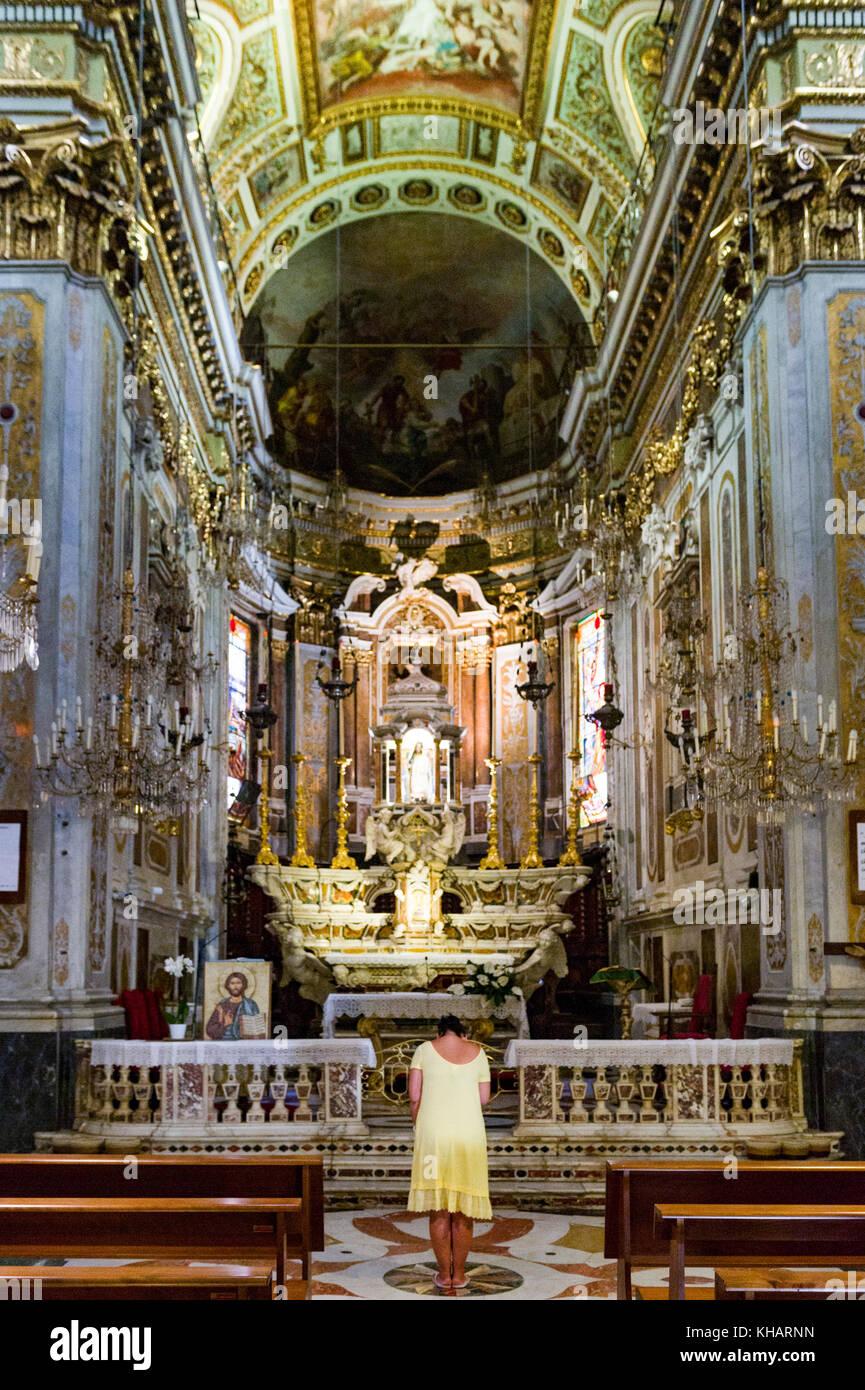
I spent about 45 minutes exploring the church, captivated by the intricate gold leaf and stunning baroque details that seem to shimmer in the natural light. The church is easily accessible from Rapallo's town center, and it's a perfect quick stop for anyone interested in local religious architecture and historical craftsmanship.
Hidden in the heart of Rapallo, this tiny baroque church packs a visual punch with gold-leaf decorations that transform sunlight into a mesmerizing spectacle. Discover the unexpected artistic treasures tucked away in this unassuming religious landmark that locals have cherished for centuries.
Need-to-Know Info Before Visiting Chiesa di Santa Margherita d'Antiochia
4+
images
Chiesa di Santa Margherita d'Antiochia Address
Piazza Santa Margherita, 16035 Rapallo GE, Italy
Chiesa di Santa Margherita d'Antiochia Opening Hours
- 🕒 Monday-Saturday: 8:00 AM - 12:00 PM
- 🕒 Sunday: 9:00 AM - 1:00 PM
- 🕒 Afternoon hours may vary, check local schedule
How to get to Chiesa di Santa Margherita d'Antiochia
- 🚗 By car: Parking available near Piazza Santa Margherita
- 🚌 Public transport: Rapallo city bus routes 7 and 8
- 🚕 Rideshare: Taxi and Uber services accessible in Rapallo
What is Chiesa di Santa Margherita d'Antiochia known for?
- 16th-century baroque Catholic church with stunning architectural details
- Houses remarkable gold leaf decorations and intricate frescoes
- Located in the historic center of Rapallo, offering cultural significance
- Features ornate chandeliers and elaborate stained glass windows
- Represents important religious heritage of Ligurian coastal architecture
What is Chiesa di Santa Margherita d'Antiochia in Rapallo?
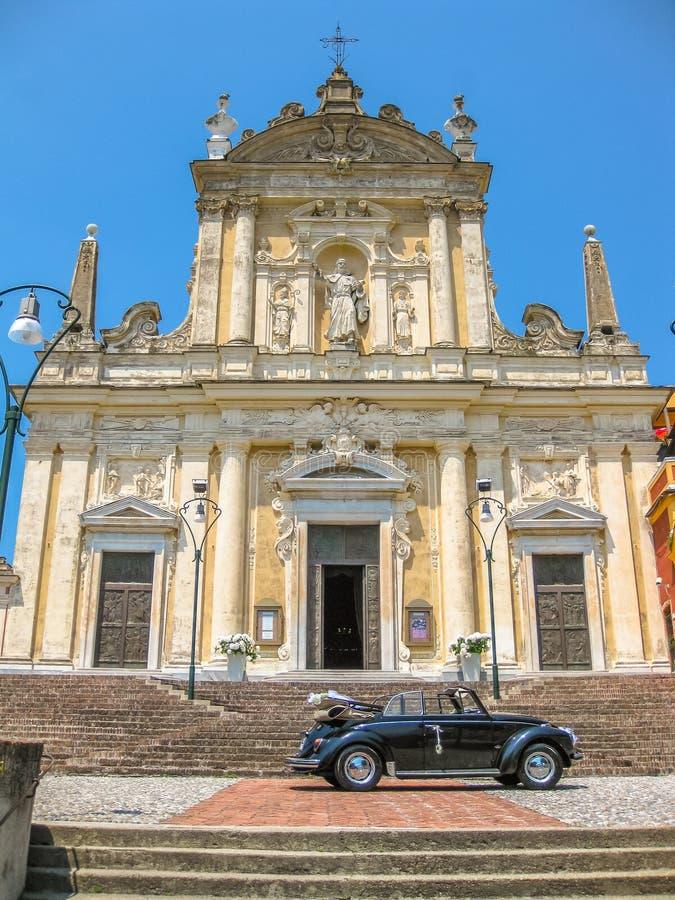
Tucked away in the heart of Rapallo, Chiesa di Santa Margherita d'Antiochia stands as a hidden gem of Ligurian religious architecture. This compact baroque church draws steady crowds of tourists and local worshippers, creating a blend of cultural and spiritual experiences. Travelers often stop by to capture its intricate gold leaf decorations and elaborate stained glass windows that transform sunlight into a kaleidoscope of colors. Despite its modest size, the church packs a visual punch with ornate chandeliers and detailed frescoes that tell stories of regional history. Photography enthusiasts cluster around the church's exterior, where the baroque architectural details provide perfect Instagram-worthy backdrops. During peak tourist season, the church becomes a quiet sanctuary amidst the bustling coastal town, offering visitors a glimpse into the rich religious heritage of the Italian Riviera. While not a massive tourist attraction, it represents an authentic slice of local culture that rewards those who take the time to explore its architectural details and historical significance.
Top things to do at Chiesa di Santa Margherita d'Antiochia
- Examine the intricate baroque stained glass windows, capturing the interplay of light and color throughout different times of day
- Observe the detailed gold leaf decorations adorning the church's interior, focusing on the craftsmanship of local Ligurian artisans
- Attend a local mass to experience the church's authentic religious atmosphere and community traditions
- Study the frescoes depicting religious scenes, noting the artistic techniques and historical narrative embedded in the artwork
- Check the church's schedule for potential organ concerts or classical music performances that highlight the acoustic qualities of the space
- Photograph the ornate chandeliers and architectural details, capturing the church's unique baroque architectural elements
Tickets and Entry
Entry to Chiesa di Santa Margherita d'Antiochia is typically free for visitors. While no ticket is required for general church visits, donations are welcome and support church maintenance. During special events or concerts, there might be a small fee. Visitors can drop contributions in designated collection boxes near the entrance.
Dress Code
As a functioning Catholic church, modest attire is required. Shoulders and knees should be covered. Avoid shorts, tank tops, or revealing clothing. Visitors wearing inappropriate attire might be asked to cover up with provided shawls or may be denied entry during active religious services.
History of Chiesa di Santa Margherita d'Antiochia
- 16th Century: Original church construction begins in Rapallo
- 1638: Major architectural renovations transform the church into baroque style
- 1750: Significant interior decoration with gold leaf and frescoes completed
- 1800s: Church becomes a central religious landmark in Rapallo's community
- 1950: Restoration work preserves original baroque architectural elements
- 2000: Recognized as important historical and cultural heritage site
Cultural Significance
Chiesa di Santa Margherita d'Antiochia represents more than a religious building-it's a symbol of Ligurian cultural identity. The church embodies local architectural traditions, showcasing the region's artistic heritage through its baroque design and intricate decorations. It remains an active place of worship and community gathering, connecting modern residents with their historical roots.
Tips for Visitors
- Bring a camera, but avoid using flash inside the church
- Check local event schedules for potential music performances
- Respect silence during active religious services
- Allocate 30-45 minutes for a comprehensive visit
- Wear comfortable walking shoes for exploring the church's interior
- Consider visiting during early morning or late afternoon for better lighting and fewer crowds
What are some interesting facts about Chiesa di Santa Margherita d'Antiochia?
- The church's gold leaf decorations were traditionally applied by local artisan families who passed down their gilding techniques through generations
- During World War II, the church served as a temporary shelter and sanctuary for local residents escaping potential bombing raids
- The baroque chandeliers inside the church were crafted by Ligurian metalworkers using techniques that date back to the early 18th century, with some original pieces still hanging today